Sodium Bisulfite
Oman Chemical is leading one Largest Supplier,Distributor,&n


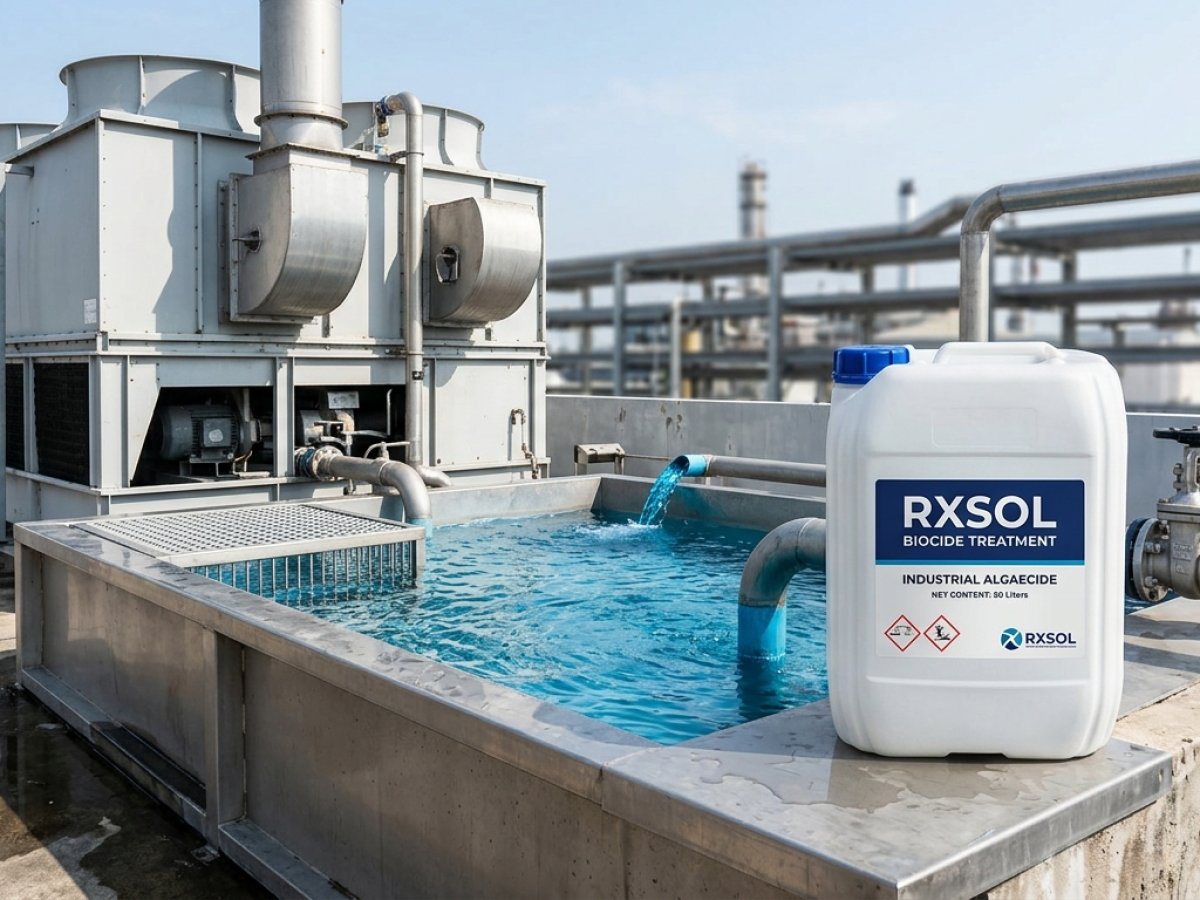
Biocide is a treatment chemical used to control bacteria, algae, fungi, and slime-forming microorganisms in industrial water systems. For buyers searching for biocide cooling water Oman, the main objective is simple: protect system cleanliness, reduce biofouling, maintain heat-transfer efficiency, and lower the operational risk that comes from uncontrolled microbial growth.
This guide is written for water treatment buyers, plant maintenance teams, and procurement professionals in Oman who need a practical understanding of what biocide does and how to evaluate it before purchase. Oman Chem works with industrial customers who want clear, realistic guidance instead of exaggerated product claims.
A biocide is a chemical formulation designed to inhibit or kill unwanted microorganisms. In cooling water systems, those organisms often include bacteria, algae, fungal growth, and biofilm-producing microbes that gradually reduce system performance.
When microbial growth builds up inside a system, it can contribute to:
For facilities in Oman, this matters because warm weather and continuous cooling demand can create conditions where microbiological growth develops quickly. Oman Chem often advises buyers to think of biocide selection as a preventive maintenance decision, not only a corrective treatment after fouling becomes severe.
A typical biocide cooling water Oman requirement appears in several environments.
Open recirculating cooling towers are one of the most common applications because warm water and airborne contamination create favorable conditions for biological growth.
Some closed systems still require microbial control depending on contamination entry, maintenance quality, and operating temperature.
Industrial process plants that rely on stable water circulation often use biocide to support system cleanliness and more predictable operating performance.
Large buildings, industrial facilities, and institutional sites may use biocide treatment as part of planned cooling-water maintenance.
Oman Chem recommends identifying the exact system type before buying. A product program that works well in one cooling-water environment may not be ideal for another with different water chemistry or contamination pressure.
The most direct benefit is reducing the bacteria, algae, and slime that interfere with clean system operation.
When biological fouling is controlled, heat-transfer surfaces can remain cleaner and operate more efficiently.
Biocide programs can help reduce unscheduled cleaning, repeated shutdowns, and the labor burden associated with severe slime buildup.
A better-controlled water system is generally easier to inspect, easier to manage, and less likely to develop odor or visible fouling issues.
Oman Chem advises customers to remember that dispersants, corrosion inhibitors, antiscalants, and monitoring practices often work better when microbial growth is under control.
A practical purchasing decision should consider more than price alone.
Open cooling towers, evaporative systems, and process loops can have different treatment demands.
Buyers should clarify whether the main issue is algae, bacterial slime, biofilm, or a mixed microbiological load.
Metals, seals, coatings, and non-metallic components may all affect product selection.
Some programs use continuous low-level dosing, while others rely on controlled shock dosing. Oman Chem recommends matching the treatment program to the operating reality of the site.
Product concentration, storage needs, PPE requirements, and plant handling practices all matter when evaluating the best biocide option.
Some buyers choose a product without considering how it will actually be applied. That usually leads to poor results. Common mistakes include:
Oman Chem prefers a practical evaluation because the best outcome usually comes from matching the biocide to the site, the contamination pattern, and the maintenance routine.
If your team is comparing biocide cooling water Oman suppliers, start with a few clear questions:
These questions make supplier discussions more useful and help prevent buying on vague assumptions.
Oman Chem supports industrial buyers who need dependable chemical supply with realistic technical guidance. For biocide programs, customers usually want clear product positioning, stable availability, and support that reflects the actual operating conditions of water systems in Oman.
Oman Chem takes a practical approach by helping buyers evaluate application fit, operating conditions, and treatment objectives instead of pushing a generic one-size-fits-all answer. That makes the selection process more useful for procurement teams and plant operators alike.
Biocide is an important part of cooling-water treatment because it helps control biological growth that can reduce efficiency, increase maintenance effort, and create avoidable operating risk. For facilities reviewing biocide cooling water Oman options, the right choice depends on system conditions, contamination type, dosing strategy, and safe application planning.
Oman Chem recommends treating biocide selection as part of a complete water-treatment program with clear monitoring and maintenance discipline. For any inquiries, email us at support@omanchem.com or reach out to us on +968 99489269.

Oman Chemical is leading one Largest Supplier,Distributor,&n

Oman Chemical is leading one Largest Supp
Marine Oil Field, Industrial, Water Treatment Chemicals etc.
Oman's Chemical Division, MBBT Muscat Barka BusinessTrading Chemical Company
Whatsapp No
0096893960629 (Pl. note Accounts/Technical validity is determined solely through email; conversations on WhatsApp are not considered valid.)
Email: To get EXPERT suggestions and reply... USE EMAIL only, Not Whatsapp
omanchem.com @ gmail.com
theomanchem @ gmail.com